
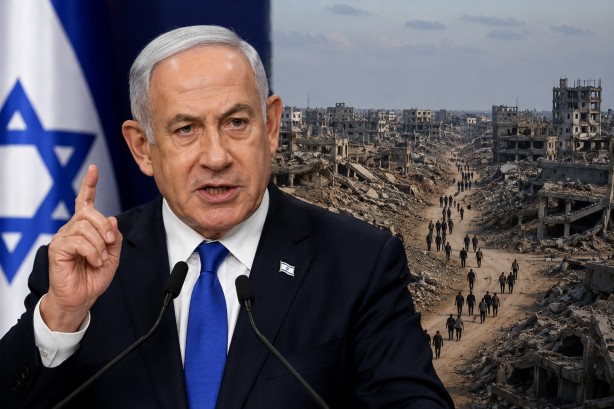
Israeli Prime Minister Benjamin Netanyahu has firmly dismissed any plans to pull Israeli troops out of Gaza until Hamas is fully disarmed, rejecting a proposal supported by the United States that ties military withdrawal to a comprehensive peace deal. Israeli authorities assert that intelligence reports indicate Hamas is actively recruiting fighters, rebuilding its military capabilities, and amassing more weapons. They argue that an early withdrawal would enable Hamas to regain control of Gaza, posing renewed security threats.
The U.S.-backed ceasefire proposal outlines a framework where Hamas would surrender its weapons, dismantle its network of tunnels, and allow for a phased withdrawal of Israeli forces. The plan also suggests the creation of a Palestinian technocratic administration, the deployment of an international security force, and extensive reconstruction efforts in Gaza. However, Netanyahu’s stance remains firm against this proposal until the disarmament of Hamas is assured.
In recent developments, Israeli airstrikes have reportedly led to the deaths of at least 17 individuals, including children. Meanwhile, Palestinians conducted a mass funeral following the recovery of over 100 bodies from the site of a significant Israeli airstrike in Gaza City’s Sabra neighborhood. This strike occurred in November 2023, and rescue efforts are ongoing, with many victims still believed to be trapped under the rubble.
The ongoing conflict traces back to an attack by Hamas on October 7, 2023, targeting southern Israel. This assault resulted in the deaths of approximately 1,200 people and the abduction of 251 hostages, setting off the current hostilities in Gaza. This backdrop of violence underscores the complexities and tensions surrounding any potential agreements or ceasefires in the region.