
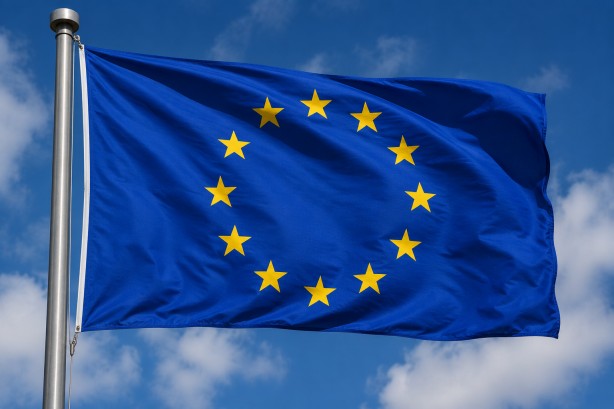
The European Union is stepping up its role in addressing the Cyprus dispute, a conflict that has persisted for decades. With new envoys appointed and renewed backing for the United Nations-led peace initiative, the EU is intensifying its efforts just as UN Secretary-General António Guterres is expected to visit the region. This heightened involvement aims to reignite stalled negotiations and foster a lasting resolution.
Despite these efforts, Turkish Cypriot authorities have expressed skepticism about the EU’s ability to be an unbiased mediator. Their concerns stem from the fact that the Republic of Cyprus is already a member of the EU, which they believe undermines the bloc’s neutrality. They have also voiced dissatisfaction with the EU’s decision to appoint a new Cyprus envoy without prior consultation with the Turkish Cypriot side.
The European Commission has outlined that its special representative will focus on building trust between the conflicting communities and supporting the renewal of talks within the UN framework. EU officials have emphasized their dedication to contributing to a lasting settlement, aiming to bridge divides and move towards peace.
The Cyprus conflict has remained at an impasse, with peace discussions inactive since 2017. Turkish Cypriot leaders assert that any future negotiations must acknowledge their sovereign equality and equal status on the international stage before any formal dialogue can commence. This stance highlights the complexities and sensitivities involved in rekindling the peace process.