
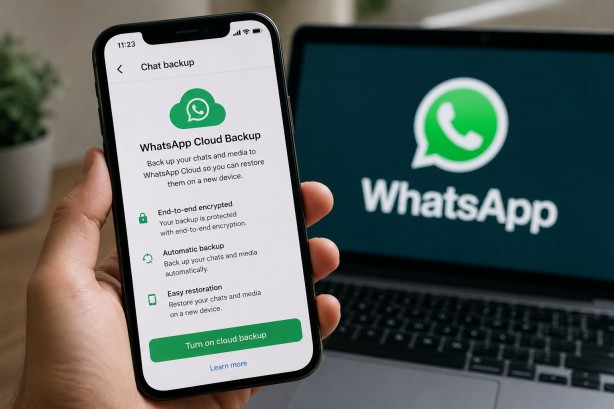
WhatsApp is in the process of introducing a new feature that will enable iPhone users to back up their chats, photos, videos, and documents directly to WhatsApp’s cloud storage, diverging from the current reliance on Apple’s iCloud. This development aims to provide users with an alternative backup solution that comes with 2GB of free cloud storage for their chat histories. For those who require more space, options to purchase additional storage are reportedly being planned, starting with a 50GB storage tier and potentially expanding to larger capacity plans.
The new cloud backup feature is designed to be optional, allowing users to continue using iCloud as the default backup service if they prefer. Additionally, those who choose to utilize WhatsApp’s cloud storage will have the flexibility to switch back to iCloud at their convenience. A significant aspect of this new feature is the inclusion of end-to-end encryption for cloud backups, which will ensure that users’ data remains secure and protected from unauthorized access.
Currently, this feature is undergoing testing through Apple’s TestFlight platform, but there is no official announcement regarding when it will become publicly available. The initiative reflects WhatsApp’s ongoing efforts to enhance user experience by providing more versatile backup options. This move could potentially appeal to users seeking more control over their data storage preferences, particularly in terms of security and accessibility.
In addition to the iPhone-focused development, WhatsApp is reportedly working on a similar cloud backup solution for Android users. This initiative underscores the company’s commitment to offering a consistent and secure backup experience across different operating systems. The expansion of cloud storage options aligns with the broader trend of cloud-based solutions becoming integral to digital communication platforms.
As this feature continues to be refined, it represents a significant step for WhatsApp in its bid to offer more comprehensive services to its global user base. The potential introduction of paid storage plans also reflects a strategic move to monetize additional services while addressing the diverse needs of its users. With no official timeline for release, users will need to stay tuned for further updates as testing progresses.