
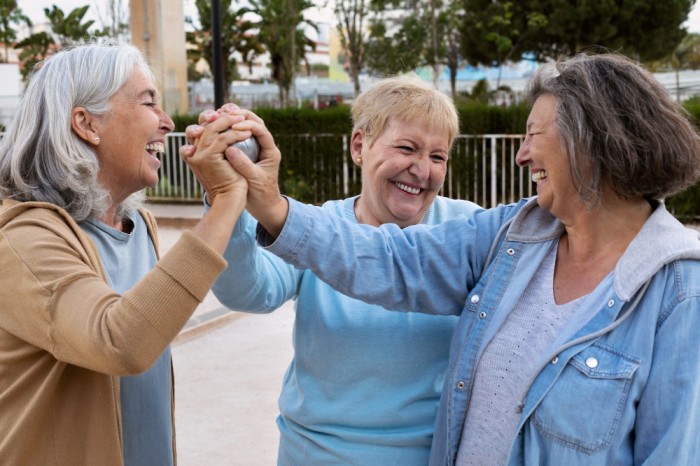
As retirement brings a respite from the demands of work, it is vital to stay mentally active, according to health experts. Engaging in physical, social, and intellectual activities post-retirement is crucial for maintaining brain health and overall well-being in later years. While aging may naturally slow some cognitive functions, significant mental decline is not unavoidable. Regular mental exercises, social interactions, and physical activities can enhance memory, attention, and problem-solving skills.
Physical exercise is particularly beneficial for brain health as it boosts blood flow to the brain and supports cognitive function. Activities like walking, yoga, cycling, and gardening are excellent ways to keep the body and mind engaged. Conversely, retirement can pose risks if it leads to isolation, loss of routine, or reduced mental stimulation. Without daily tasks or social engagements, the brain might receive less activity, potentially impacting cognitive performance over time.
Experts recommend that retirees actively participate in new hobbies, volunteer work, travel, mentoring, or community events to remain mentally stimulated and emotionally fulfilled. These activities not only provide intellectual engagement but also a sense of purpose and improved emotional well-being. Maintaining strong social connections is equally essential, as spending time with family, friends, or community groups can enhance communication, memory, and decision-making skills, while reducing the risks of loneliness and depression.
Health specialists emphasize that healthy aging involves more than just disease prevention; it also focuses on preserving independence, mental acuity, and life quality. By staying active, curious, and socially connected, retirees can significantly support long-term brain health. This holistic approach to retirement not only ensures a healthier mind but also enriches the overall quality of life.