
As Iran and the United States continued indirect nuclear talks in Geneva, one issue emerged as perhaps the most technically and politically complex: the role of the International Atomic Energy Agency in verifying any future agreement. Both sides separately met with IAEA Director General Rafael Grossi in the days surrounding Tuesday’s talks, underscoring just how central the verification question has become.
The IAEA currently has a small number of inspectors operating inside Iran, but those personnel have limited knowledge of the damage caused by US airstrikes on Iranian nuclear facilities — or of how many centrifuges could be rapidly reactivated. Any credible agreement would require a far more comprehensive inspection regime, including full access to the three main sites that were bombed.
Previous discussions in Cairo specifically on the IAEA protocols broke down, making the issue one of the most urgent items yet to be resolved. Iran’s offer includes expanded access for inspectors, but the precise terms of that access — what they can see, how often, and with what notice — are subject to intense negotiation.
Iran’s foreign minister described Tuesday’s session as “more constructive” than the first round and said agreement had been reached on broad guiding principles. He indicated that written texts would be exchanged before a third meeting, expected in about two weeks. The US side did not issue an immediate statement, though its engagement with Grossi on Tuesday signaled continued seriousness about the verification dimension.
Any collapse of the inspection framework would likely doom the broader deal. Iran’s 40-kilogram stockpile of 60% enriched uranium — nearly weapons-grade material — cannot be credibly monitored without robust IAEA presence. For Washington, the lesson of past agreements is that trust without verification is not sufficient. For Tehran, the challenge is granting enough access to satisfy international demands without what it views as a sovereignty-compromising level of intrusion.
Iran-US Talks: IAEA Verification at the Heart of Delicate Nuclear Negotiations
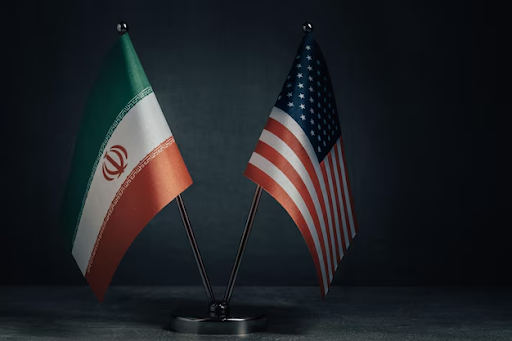
Picture Credit: www.freepik.com
54