
For all the talk of innovation and competitiveness that dominates AI summits, Emmanuel Macron arrived in Delhi with a different kind of agenda: making sure that the development of artificial intelligence does not come at the cost of child safety. The French president was clear, specific and unapologetic. He named the problem — AI-generated sexual abuse imagery involving children — and called for the kind of coordinated international response that the problem demands.
The scale of what is happening is difficult to absorb. Research by Unicef and Interpol, published just before the summit, found that 1.2 million children across 11 countries had been victimised by AI-manipulated deepfakes in the past year. In some countries, that is one child in every classroom. The images are illegal. The technology that produces them is legal, widely available and improving rapidly. Macron’s argument is that this gap between what is forbidden and what is technically possible cannot be allowed to persist.
His solution involves both national action and international coordination. Domestically, France is pursuing legislation to ban children under 15 from social media. At the G7, Macron will use France’s presidency to push for platforms and governments to collaborate on enforceable standards. He is not asking the technology industry to police itself — he is asking governments to do their job and create rules that give enforcement agencies the authority to act.
The summit also heard from António Guterres, who framed child safety within a broader argument about AI governance: a technology controlled by a few powerful actors, accountable to no one but their shareholders, is a danger to everyone. India’s Narendra Modi made a parallel point about AI monopolies, arguing that truly beneficial technology must be open and shared. These are not the same argument as Macron’s, but they all converge on a single concern: that the current trajectory of AI development serves too few people and harms too many.
Macron’s intervention in Delhi was notable for its refusal to treat child safety as a niche concern to be addressed separately from the main event of AI governance. He placed it at the centre, where it belongs. The question now is whether the governments, institutions and companies that heard him will act accordingly — or whether the next summit will open with an even more alarming set of statistics.
Macron’s Mission: Making the Internet a Place Where Children Are Actually Safe
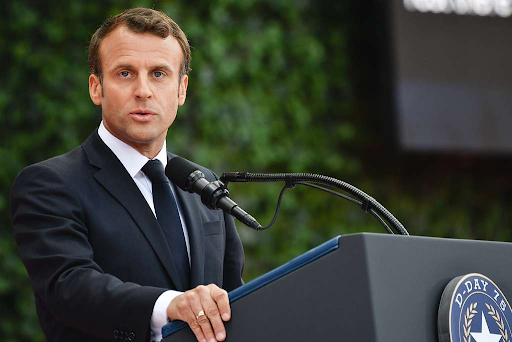
Picture Credit: nara.getarchive.net
55